

Flooding is a frequent and damaging natural disaster. With climate change intensifying the risk of floods globally, water-related damage and associated losses are expected to rise in the coming years.
Water damage to your home is not always the result of a sudden, catastrophic event. Everyday issues such as clogged toilet, malfunctioning hot water heater, a burst pipe, a sewer backup, or even a leaky roof can lead to slow leaks. Over time, these can cause serious problems such as mold, mildew, and dry rot—potentially causing as much damage as a major storm.
Curious about what your current homeowner’s insurance covers when it comes to water damage? Coverage largely depends on whether the damage is sudden and accidental or the result of gradual issues—and on the specific details of your policy. Remember, damage caused by poor maintenance/wear and tears is not covered. It is important to mitigate the potential for water damage by following these best practices:
- Monitor your water bill regularly. Establish a typical usage baseline, and if you notice a month-to-month increase, it could be a sign of a hidden problem.
- Locate your main water shut-off valve ahead of time. In colder climates, the main water shut-off valve is often located in the basement. In warmer regions, it is typically found on an exterior wall or inside an underground box. It is important to always know where this valve is before an emergency then quickly stop the water flow. If you are planning to be away on vacation, consider turning off the main valve to reduce the risk of water damage while you are gone.
- Test your water pressure. Excessively high-water pressure can cause pipes and hoses to burst. You can pick up a water pressure gauge at most hardware stores to get accurate reading. Ideally, your home’s water pressure should be between 40 and 70 psi. If it is too high, installing a pressure regulator can help keep it under control.
- Install water leak detectors. Much like smoke detectors help protect against fires, these devices alert you to potential water damage. Leak detectors can sense low moisture levels or slow leaks that might otherwise go unnoticed for a long time. Place them in areas prone to water issues, such as the laundry room, bathroom, under the kitchen sink, or near the water heater.
- Take care of your pipes. Regularly check the pipes around your home to ensure they are shielded from weather damage. In colder areas, let a slow flow of water run through the pipes to prevent them from freezing and bursting. Also, disconnect outdoor hoses, since trapped water inside them can freeze and cause damage to floors and walls if it leaks into your house.
- Look for other outdoor hazards. Watch out for outdoor hazards like standing water in gutters, which can freeze or overflow, potentially damaging your roof or creating puddles that harm your foundation. Clean gutters and downspouts twice a year, and make sure downspouts direct water away from your home. Also, check for tree or shrub roots that might grow around and damage your pipes. When landscaping, try to keep plants away from utility pipes whenever possible.
- Be aware of flood zones. When building a new home, confirm if the property is above any potential flood levels and identify any openings where floodwater might enter. Regularly inspect existing flood prevention measures like dikes and barriers and repair them as needed.
- Check your appliances. Refrigerators and dishwashers often cause leaks therefore they should be checked regularly following the manufacturer’s guidelines. Also, inspect washing machine hoses and replace any that are worn, cracked, or leaking to prevent water damage in your laundry room.
How to Minimize Water Damage
Here’s practical advice to minimize water damage:
- Turn off your water. Shut off your water main to stop water supply to your entire home.
- Protect your home from further damage. Relocate furniture and valuables to a secure area and place buckets under any active leaks to catch water.
- File an insurance claim right away. Your insurance company will send out a water remediation professional to prevent additional damage.
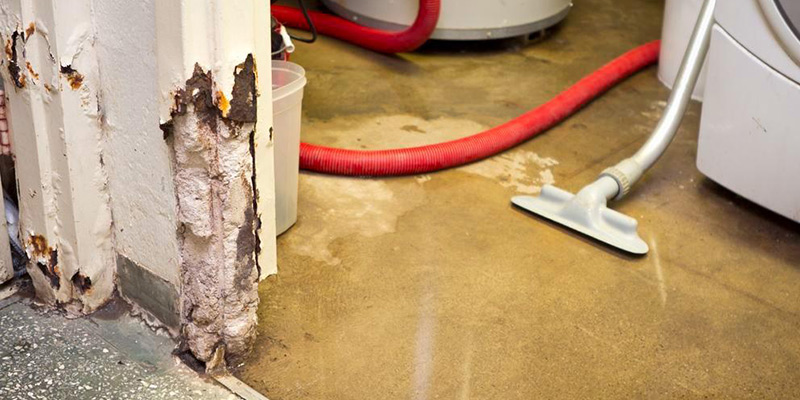
- Keep away from electronics. Avoid using electrical devices like appliances, TVs, ceiling fans, and computers—do not even unplug them. Also, never use a vacuum cleaner to remove water.
As a homeowner, it is quite common to face some degree of water damage over time. The extent of any costly repairs largely depends on how proactive and attentive you are in spotting potential problems early.