

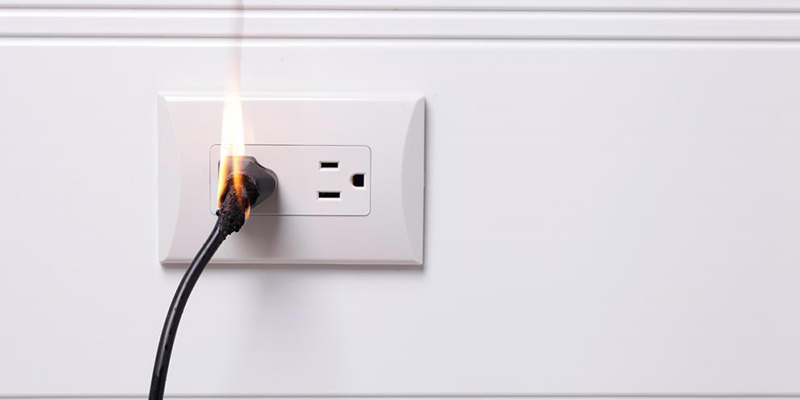
Every year, electrical fires in homes lead to loss of life and significant damage. The majority are caused by faulty wiring, overloaded circuits, or improper use of extension cords—issues that are largely avoidable. Taking the right safety measures can help protect your home and reduce the risk of costly insurance claims.
Fire-related fatalities peak during the winter months when increased indoor activity leads to greater use of lighting, heating, and electrical appliances. For instance, supplemental heaters can draw as much as 1,500 watts—like a hair dryer—but often run for much longer periods, raising the risk of electrical fires. Taking precautions with these devices can help keep your home safe and protect your insurance coverage.
The deadliest house fires often start in main living spaces. Frequent causes include space heaters, gaming consoles, computers, speaker systems, and decorative lighting. Being mindful of how these devices are used and maintained can help prevent fires and protect your home from costly damage.
Some of the leading causes of home fires include:
Fixed wiring issues, such as faulty outlets, outdated wiring, and ungrounded extension cords, plugs, switches, and receptacles.
Light fixtures, lamps, and bulbs that are improperly installed or maintained.
Cord misuse, including overloaded circuits, poorly maintained cords, use of unsafe adapters, or running cords under rugs in high-traffic areas.
To help prevent electrical fires and protect your family—and your home, follow these essential safety tips:
Upgrade or Dedicate Circuits for High-Powered Appliances
Many older homes feature a combination of outdated and modern wiring, with much of the old wiring ungrounded. This often prompts homeowners to improvise with circuits to power high-tech devices and modern conveniences. Unfortunately, these workarounds can create serious electrical hazards, increasing the risk of fire and costly insurance claims.
Using 3-to-2 adapters, multiple power strips, or extra plug-ins on extension cords can overload your circuits, often causing breakers to trip. Frequent breaker trips are a clear warning sign of circuit overload. Another common indicator is lights dimming when appliances are switched on—both signals that your electrical system needs attention to prevent fire risks and potential insurance claims.
Hiring a qualified electrician to upgrade key circuits for your high-powered devices may cost a few hundred dollars, but it’s a small investment compared to the potential cost of repairing fire damage—or even rebuilding your home after a fire.
Enhance Older Electrical Systems with Specialty Outlets and Cords
For homes without grounding, specialty outlets and cords offer a practical solution. Designed to work from one outlet to another, these products are affordable and simple to install, helping improve electrical safety.
Install and Regularly Test Ground Fault Circuit Interrupters (GFCIs)
Appliances in wet areas such as kitchens and bathrooms should be protected by Ground Fault Circuit Interrupters (GFCIs). These devices help safeguard you from electrical shock or electrocution if a fault occurs with an appliance or tool. Regularly testing GFCIs using their test buttons ensures they continue to function correctly, helping to prevent accidents and potential insurance claims.
Always Unplug Appliances When Not in Use
Always unplug appliances such as hair dryers and toasters after use. Even once unplugged, they can remain hot and pose a burn risk to you, your countertops, or nearby flammable materials. Taking this simple step helps prevent accidents and protects your home from potential fire damage and insurance claims.
Inspect Wiring Regularly for Signs of Damage
Regularly inspect wiring, lamps, and switches for signs of fraying, exposed wires, or other damage. If you notice a lamp or switch feels hot to the touch, turn it off immediately and have it repaired to prevent potential fire hazards and costly insurance claims.
Disconnect Power Cords Safely to Prevent Damage
Always unplug cords carefully—never yank them out of outlets—as this can damage the wiring and plug, creating a risk of electrical shock and potential fire hazards.
Avoid Hazards by Keeping Cords Away from High-Traffic Zones
Extension cords or cords plugged in near the floor pose a trip-and-fall risk, especially for children and pets. Additionally, cords within easy reach can increase the chance of electrical shock or injury. Keeping cords properly secured helps protect your family and reduces the risk of liability claims.
Although covering cords with rugs might seem like a good way to keep walkways clear, it creates a hidden danger. Damaged cords concealed under rugs can become a serious fire hazard, increasing the risk of costly property damage and insurance claims.
Avoid Long-Term Use of Extension Cords for Safety
Extension cords are intended for temporary use only and should never replace permanent wiring. Relying on them as permanent power sources increases the risk of electrical hazards and potential insurance claims.
Test Smoke Alarms Regularly and Replace Batteries
Make sure your smoke alarms are functioning properly by testing them regularly and replacing batteries as needed.
Electrical shocks can happen anytime—even when you’re just relaxing at home. By following these straightforward safety tips, you can help protect your family and reduce the risk of accidents that could lead to costly insurance claims.