

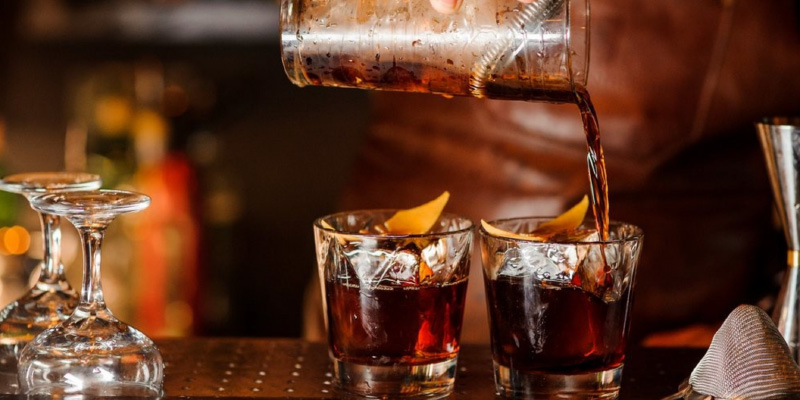
Serving alcohol can draw in customers and create a lively atmosphere, but it also brings added risks. If your restaurant offers alcohol or allows a bring-your-own-bottle (BYOB) policy, your liability exposure is greater than if you operated a dry establishment.
You’re aware that you share responsibility for what happens to your patrons while they’re on your premises. But do you know you might also be held liable for their actions and any damage they cause after they leave?
Discover the liability risks associated with serving alcohol, how to protect yourself through insurance, and strategies to manage your risk exposure.
Liability Implications
Alcohol laws differ from state to state. For instance, your business could be held responsible if you serve alcohol to an intoxicated customer who then drives home and causes an accident. Depending on local regulations, many businesses may face legal action for damages resulting from the intoxicated patron’s actions, including property damage, personal injury, or even death.
Serving alcohol to a minor—even unintentionally—can result in serious penalties and the loss of your liquor license. It’s essential to understand the relevant local and state laws, remain compliant, and implement appropriate safety measures.
Liquor Service and Seller Compliance Laws
In most states, servers and bartenders are required to complete mandatory training programs. These programs help ensure compliance with alcohol service laws by educating staff about state regulations, the effects of alcohol on the body, how to recognize and handle intoxicated customers, and ways to manage challenging situations.
Ensuring server compliance isn’t just a legal requirement, it also promotes responsible business practices, helps protect your establishment from fines, and lowers your risk of liquor liability.
Even with a strong compliance program in place, liquor liability insurance is essential. This insurance protects your business if an intoxicated customer causes harm to themselves or others, shielding you from potential lawsuits.
How State Licensure, Compliance and Training Affect Your Insurance
Your commercial general liability (CGL) insurance typically includes host liquor liability coverage, which protects you if you host an employee event with alcohol. However, businesses that serve alcohol on-site, such as restaurants and bars, are usually excluded. Don’t depend on your CGL policy for this—liquor liability or dramshop insurance (see below) is necessary.
In most states, carrying liquor liability insurance is a requirement for obtaining and maintaining an on-premises alcohol license. For instance, your state may mandate minimum coverage amounts for bodily injury, property damage, or death. This insurance must stay active throughout your license period and be renewed annually. Without proof of insurance, you won’t be able to keep your establishment’s liquor license.
Responsible Alcohol Server and Seller Training
Employee certification and individual licensing also impact on your coverage. If your state mandates that every server holds a liquor service certification, you must comply. In the event of a claim, your insurance company may reduce or deny coverage if they find your staff is unlicensed. Always ensure servers don’t work a shift with an expired certification. Dramshop laws are designed to protect the public from harm caused by the overservice of intoxicated patrons, while dramshop insurance shields business owners and employees. If an employee is found responsible for serving a patron who later injures someone, your dramshop insurance should cover the resulting settlement. Without this coverage, you could face significant financial losses, potentially risking bankruptcy.
Liability Coverage Limits
Protection does not cover the intoxicated individual who causes harm to others. In such cases, the injured party may sue both the wrongdoer and your establishment to establish liability. If your establishment is found responsible, the intoxicated person might also sue you for overserving them. Your liquor liability insurance would cover the costs of your legal defense.
Keep in mind, your insurance only covers costs up to your policy limits. For example, if your liability coverage is $500,000 but your court case expenses total $600,000, you would be responsible for the remaining $100,000 out of pocket. This could leave you with little or nothing to cover settlement fees.
Ask your insurance agent at Clyde Paul to help you choose the right coverage limits. Be prepared to share safety and compliance details about your establishment, such as
- Alcohol or liquor server certificates
- Bar logs
- Employee safety training, including preshift safety talks
- Video surveillance systems
- Taxi or ridesharing agreements, including complimentary ride programs
- ID-checking procedures and wristband or stamp protocols
- Claims history within the last 7 years
Other Coverages for Food Service Establishments
Because of the risks involved in selling alcohol, having the right insurance is essential for restaurant owners. Here are some additional policies to consider:
Business owners’ Policies bundle Commercial General Liability (CGL) and property insurance into a single package, making them typically more affordable and easier to manage than buying separate policies.
Employment Practices Liability Insurance (EPLI) protects your business against lawsuits related to workplace issues, such as wrongful termination, discrimination, or sexual harassment. For instance, disputes involving harassment from management, coworkers, or even customers may occur. Note that Commercial General Liability (CGL) insurance does not cover employee lawsuits.