

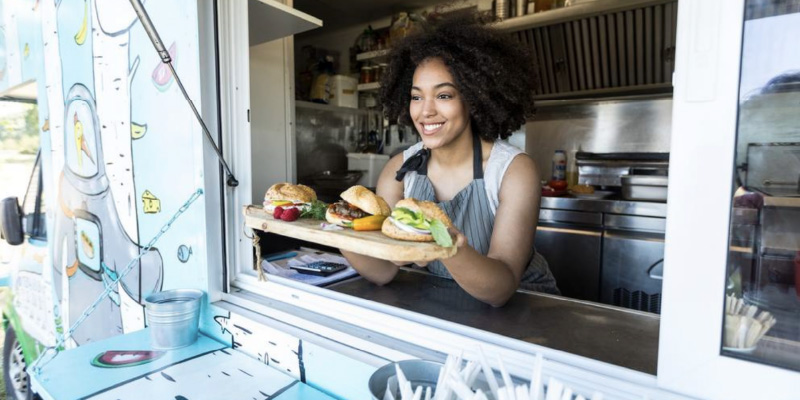
If you like preparing meals for large groups in public spaces, operating a food truck can be a great option. It offers the opportunity to earn income at fairs, festivals, concerts, sporting events, and other gatherings, as well as during lunchtime in busy commercial districts.
Running a food truck means you’re responsible for everything—from driving and cooking to cleaning and managing equipment and paperwork. Part of that responsibility includes ensuring you have the right insurance coverage in place.
Business Auto & Kitchen All Rolled Into One
Given that your business involves both driving a vehicle and handling food, it’s essential to have the appropriate insurance coverage to safeguard yourself and others.
Commercial Auto Insurance
Commercial auto liability insurance is essential, as it covers any injuries or property damage you may cause while driving your food truck. Since these trucks often operate in high-traffic areas, there’s always a risk of accidentally hitting a person or object.
Commercial auto insurance can also include optional coverage for physical damage to your truck and any permanently installed equipment. It typically protects against risks like fire, theft, and vandalism. If you finance the vehicle, your lender will likely require this coverage.
General Liability Insurance
To cover the risks associated with preparing and serving food, you’ll need general liability (GL) insurance, which is separate from your commercial auto policy. General liability insurance can help cover legal costs and damages if someone is injured due to fires, hot oil, electric shocks, or other hazards related to your food service operations. It may also provide coverage if a customer becomes ill from your food, though it’s important to confirm the specifics with your insurance provider. In many cases, local health codes and municipal regulations will require this type of coverage.
Additional coverage, like workers’ compensation and environmental liability insurance, may also be necessary depending on your location. Be sure to consult with your insurance professional to understand state and local requirements.
Commercial Property Insurance
Commercial property insurance is necessary to protect your equipment, food inventory, and other business items that aren’t permanently installed in your truck—such as paper goods, utensils, cleaning supplies, signs, and awnings. This coverage is often included with a general liability policy, but you can opt out if you’re comfortable covering any losses yourself.
Equipment Breakdown Insurance
It’s a good idea to think about insurance, specifically for equipment breakdowns. While commercial property insurance covers damage to your property caused by external events such as fires, storms, or theft, it typically doesn’t cover losses resulting from internal equipment failures or accidents. To protect yourself from the financial impact of such breakdowns, you may want to consider equipment breakdown insurance. Additionally, you might want to include coverage for food spoilage—if your refrigerator stops working, you could be responsible for replacing the spoiled food out of pocket.
Commercial property and equipment breakdown insurance policies offer coverage options for lost income and additional expenses if your property is damaged or you’re unable to operate following a severe weather event or other disruptive incidents.
Cyber Insurance
Chances are you’re using a mobile point-of-sale system to process payments, gather customer data, or send receipts. This means you’re handling personally identifiable information. If your system is compromised by a hack, you could be held liable. Be sure to consult your insurance professional to understand the coverage and limits of your General Liability policy.
Speak To Your Insurance Professional For Custom Coverage
Food trucks are growing in popularity. Unless your food truck involves a particularly high level of risk, you should be able to find an insurance policy that can be tailored to fit your mobile food business.
Talk to your insurance agent at Clyde Paul—they can help design a policy that covers all your needs so you’re ready to hit the road!