

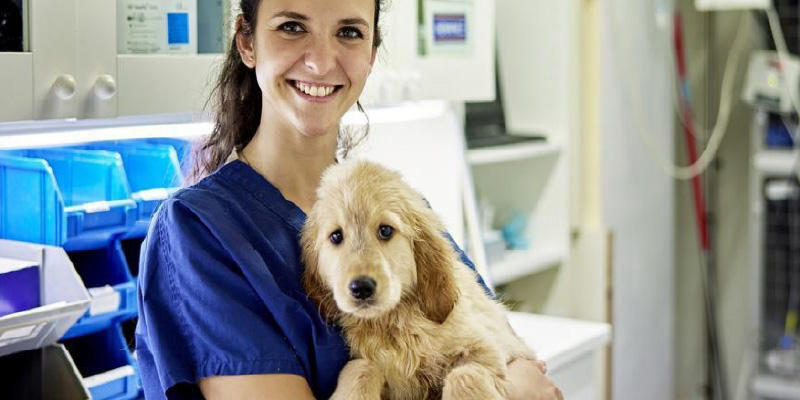
Pet owners often have significant emotional and financial investments in their animals, which means that veterinarians can face substantial liability claims if care is mishandled. In addition, operating an animal clinic represents a sizable financial commitment that can be jeopardized by disasters such as fires, storms, or theft.
To safeguard both professional reputation and physical assets, veterinarians need a comprehensive blend of insurance coverages. Below is an overview of essential insurance policies every veterinary professional should consider.
Veterinary Professional Liability Insurance
Whether you own a practice or are employed by one, professional liability insurance is essential. This coverage protects your personal and business assets against malpractice claims, including those arising from mistakes, negligence, or oversight.
Professional liability insurance is not offered by every carrier, so it is important to work with an insurance agent or broker familiar with the veterinary field. Coverage is provided up to specified limits—commonly expressed as per-occurrence and aggregate annual limits. For example, a policy with $1 million/$3 million limits will cover up to $1 million per incident and $3 million in total claims per policy year.
This insurance covers legal defense costs, even if the claim is unfounded, as well as any settlements or judgments for which you are found liable.
Premium considerations:
- Type of veterinary practice (e.g., equine practices often carry higher premiums due to the high value of horses)
- Claims history
The American Veterinary Medical Association (AVMA) recommends policies with a “consent -to- settle” clause, which prevents settlements without your approval or a court order. Avoid policies with “hammer clauses,” which can make you financially responsible for any costs exceeding the insurer’s recommended settlement amount if you choose to proceed to trial.
Ensure your policy also covers ancillary activities such as:
- Serving on veterinary boards
- Delivering professional speeches
- Volunteering or providing emergency assistance
You may also need a license-defense endorsement to protect against disciplinary actions or claims that threaten your professional license.
Commercial General Liability (CGL) Insurance
CGL insurance is necessary to cover non-professional liabilities, including bodily injuries or property damage occurring on your premises. For example, if a client slips and falls in your clinic, CGL would help cover medical and legal expenses.
This policy also includes protection against personal and advertising injuries, such as:
- Libel or slander
- Copyright infringement
- Misappropriation of advertising ideas
Like professional liability insurance, CGL covers legal defense costs and judgments.
Employment Practices Liability Insurance (EPLI)
EPLI protects your veterinary practice from financial loss resulting from employment-related claims, such as:
- Discrimination
- Sexual harassment
- Retaliation
- Wrongful termination
- Breach of employment contract
EPLI covers legal fees and settlement costs. However, it generally excludes:
- Wage and hour violations
- Contract disputes
- Intentional misconduct
Excess Liability (Umbrella) Insurance
Given the high risks associated with veterinary medicine, umbrella insurance can be a critical safeguard. This policy provides additional liability limits beyond what your standard professional or general liability policies cover.
Commercial Property Insurance
Commercial property insurance protects your building and its contents, including:
- Equipment and furnishings
- Computers and medical supplies Coverage typically includes damages caused by:
- Fire
- Lightning
- Theft
- Vandalism
- Burst pipes
- Wind or hail
If your practice uses specialized equipment, consider equipment breakdown insurance to cover repair or replacement costs. Your insurance agent can help determine appropriate limits for these assets.
Commercial Auto and Inland Marine Insurance
Veterinarians who travel to farms or stables need commercial auto insurance for vehicles used in business operations.
Additionally, inland marine insurance protects mobile equipment and supplies during transport. A specific type of inland marine coverage, animal bailee insurance, provides liability protection when animals are in your care, custody, or control. This includes boarding, transport, and overnight stays, covering losses from:
- Injury or death
- Escape or theft
- Property damage caused by animals
Other Important Coverages
Veterinary practices may also benefit from the following specialized policies:
- Workers’ Compensation Insurance: Covers medical expenses and lost wages if an employee is injured or becomes ill due to work-related activities. Premiums are based on employee count, job classification, and claims history.
- Cyber Liability Insurance: Protects against financial losses due to data breaches, ransomware attacks, and other cyber threats. Coverage may include client notifications, data recovery, and income loss due to network shutdowns.
- Pollution Liability Insurance: Provides coverage for claims arising from improper disposal of medical waste, chemicals, or pharmaceuticals.
- Business Income Insurance: Replaces lost revenue if your practice is temporarily shut down due to a covered event such as fire or natural disaster. It helps cover ongoing expenses during recovery.
- Employee Dishonesty Insurance: Covers financial losses caused by theft, embezzlement, or fraud committed by employees.
Conclusion
Veterinary medicine is a rewarding profession that requires years of dedication and training. Protecting your investment—both professional and financial—requires careful planning and comprehensive insurance coverage. By working with an experienced insurance agent like Clyde Paul, you can tailor a package that secures your livelihood and allows you to focus on what matters most: caring for animals and their owners.